
People often use the words translation and interpreting as if they meant the same thing. Even companies that hire language professionals sometimes mix them up. The confusion is understandable, since both jobs move meaning from one language to another. In practice, they are different skills, different tools and often different people.
The simplest way to tell them apart
Translation deals with written text. A translator receives a document, works on it carefully and delivers a written version in another language. Interpreting deals with spoken language. An interpreter listens to a speaker and renders the message aloud, in real time or in short pauses.
One is slow and precise, with time to research and revise. The other is immediate and demands fast thinking under pressure.
What translators actually do
Translators work with contracts, manuals, websites, medical reports, marketing copy and countless other texts. They study the subject, check terminology and polish the style. Many specialise in a field, such as law, engineering or finance.
A good translator also asks questions. When the source text is unclear, they check with the author instead of guessing.
What interpreters actually do
Interpreters work in meetings, courts, hospitals, conferences and phone calls. They need excellent memory, a calm voice and deep knowledge of both cultures. Their work leaves no written trace, so accuracy must be right the first time.
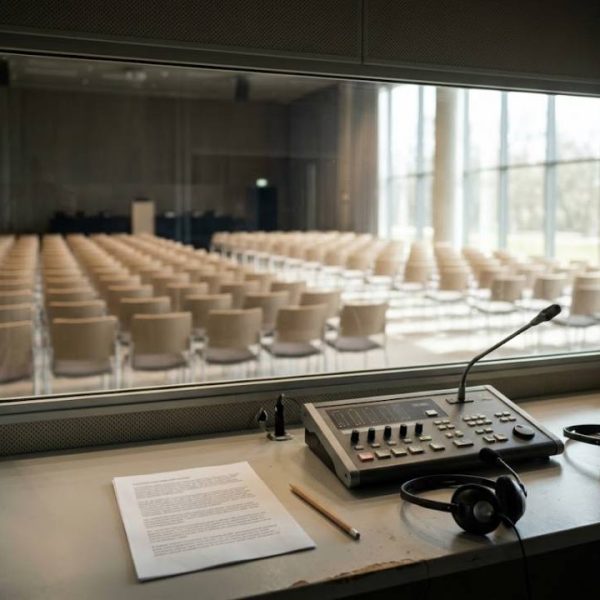
There are two main modes. In simultaneous interpreting, the interpreter speaks almost at the same time as the speaker, usually from a booth with headsets. In consecutive interpreting, the speaker pauses and the interpreter then delivers the message.
Remote and phone interpreting
Technology has made interpreting easier to access. A short call can connect two people who share no language with a trained professional in minutes. This is useful for appointments, customer service and urgent situations. Reliable phone interpreter services are now common in healthcare, banking and public offices.
Prepare for a remote session by testing your device, sharing background material and speaking in short, clear sentences.
Choosing the right service for the task
If you need a letter, a brochure or a certificate in another language, you need a translator. If you need to talk to a client, a patient or an audience, you need an interpreter. Some projects need both, for example a conference with printed materials and live speakers.
Describe your goal clearly. A good provider will tell you what fits and what does not. Dependable language translation services can advise on formats, deadlines and the right level of expertise.
Qualifications and trust
Look for professional training, subject expertise and clear quality processes. In the United Kingdom, the Chartered Institute of Linguists supports professional standards and offers qualifications for linguists. Membership and certification do not guarantee perfection, but they show commitment to the craft.
Preparing a document for translation
Give the translator the best possible source. Send editable files when you can, and include images, glossaries and previous versions. Mention the purpose of the text and the audience, since a leaflet for patients needs a different tone than a report for specialists.
Plan enough time. Good translation takes thought, review and often a second reader.
Preparing for an interpreted meeting
Send the agenda and key documents ahead of time. Explain acronyms and technical terms. Speak at a steady pace and pause between ideas. Avoid slang or jokes that rely on wordplay, as they rarely survive in another language.
Address the other person directly, not the interpreter. This keeps the conversation natural and respectful.
Confidentiality and ethics
Both professions handle sensitive information, from medical details to business plans. Reputable linguists follow strict codes of conduct, sign confidentiality agreements and never share material without permission. Ask about these rules before you send any sensitive file or begin a private conversation.
Impartiality is just as important. A professional conveys what was said, without adding opinions or leaving things out.
Technology and the human touch
Software can help with both crafts. Translators use memory tools and glossaries to keep terms consistent, while interpreters use apps and platforms to connect with clients. Yet judgement, tone and cultural insight remain human strengths that technology cannot replace.
Common mistakes to avoid
Many people assume that a bilingual friend can handle any task. Speaking two languages is valuable, but professional work requires training, ethics and confidentiality. Another common mistake is to hire a translator for a live event or an interpreter for a long written document.
A short briefing to the right professional saves time and prevents expensive corrections.
Costs and how they are calculated
Translation is usually priced by word, with adjustments for difficulty and urgency. Interpreting is priced by the hour or the day, often with a minimum fee and travel costs. Ask for a clear quote that lists everything included.
Cheaper is not always better. A mistake in a contract or a medical conversation can cost far more than the savings.
Why the distinction matters
Knowing the difference between translation and interpreting helps you hire the right professional and set realistic expectations. It also shows respect for two demanding crafts, each with its own training and standards.
When both are used well, communication across languages feels natural, accurate and human.