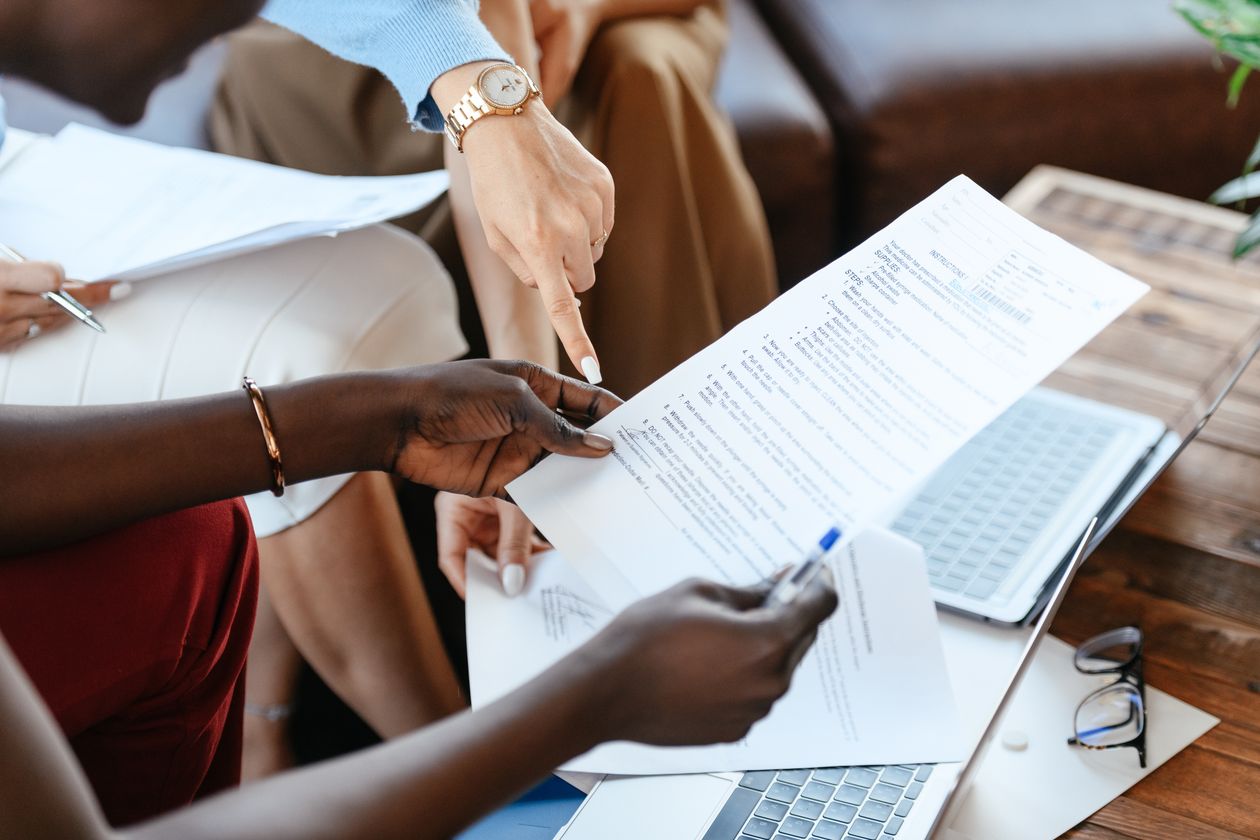

A biology lab at a mid sized UK university had spent three years building a joint project with research partners in Japan and South Korea and the collaboration was finally ready to produce its first co authored papers for submission to international journals. The lab director assumed the writing itself would be the hard part since the actual experiments were long finished and the data had already been through several rounds of internal review among the collaborating teams.
What nobody had planned for was the paperwork sitting underneath the science itself since the original grant documentation from the Japanese and Korean funding bodies existed only in their home languages and the UK university's own research office needed verified English versions before it would release matching funds for the joint publication costs. A junior researcher who had picked up some conversational Japanese during a prior exchange program offered to handle the translation informally and that offer very nearly caused a serious problem before anyone caught it.
The research office manager who reviewed the informal translation noticed that a key phrase describing data ownership rights had been rendered in a way that could have been read as granting broader publication rights than the original grant document actually allowed. That single ambiguous phrase would have created a genuine dispute with the funding partners had it gone unnoticed and it convinced the lab director that grant paperwork needed the same rigor as the scientific writing itself.
Finding a provider who could handle both the administrative language of grant agreements and the highly specific vocabulary used in the actual research papers took some searching since many general translation services struggled once technical terminology from molecular biology started appearing in the same document as legal clauses about intellectual property. The lab eventually settled on a provider who paired translators with relevant scientific backgrounds against reviewers who understood research funding agreements specifically.
The Korean side of the collaboration raised a similar concern once its own funding body asked for confirmation that the English language manuscripts accurately reflected methodology sections that had originally been drafted in Korean by graduate students who were still developing their technical English. A careful review caught several instances where subtle mistranslations of statistical methods could have misrepresented how confident the researchers actually were in their own results.
The lab director now requires every joint international project to include a dedicated translation budget line from the very first grant application rather than treating translation as an afterthought that gets solved once papers are nearly ready to submit. Colleagues at other departments have started asking about the same approach after hearing how close the Japanese grant dispute came to becoming a real problem.
Grant Paperwork Needs the Same Rigor as the Science
Universities running international research partnerships often assume that a lab member with some language skill can handle administrative documents while professional support gets reserved for the final published paper but that assumption breaks down quickly once legal terms about funding and data rights enter the picture. A university office that eventually turns to proper translation company support usually does so only after a near miss like the one this lab experienced with its Japanese funding partner.
The research office now keeps a standing relationship with its chosen provider rather than searching for help each time a new international collaboration begins which has cut the turnaround time for grant document translation by more than half compared to the ad hoc approach used on earlier projects. That consistency has also meant fewer terminology disputes between the UK team and its overseas partners since the same translators handle successive rounds of paperwork.
Journal Submissions Bring Their Own Translation Demands
Beyond the grant documents themselves the lab also needed several supplementary materials translated for journal submission including ethics approvals originally issued in Korean and material safety documentation from the Japanese side of the partnership. Working with a genuine official document translation process meant journal editors received consistent terminology across every supporting file rather than a patchwork of translations produced by whoever happened to be available at each stage of the process.
A postdoctoral researcher on the project said the consistency mattered more than she expected once reviewers started cross referencing terminology between the main manuscript and its supplementary materials during peer review. Reviewers who noticed mismatched terminology in earlier submissions from other labs had flagged those inconsistencies as a reason for additional scrutiny and the lab wanted to avoid that outcome for its own first joint publication.
What Research Funding Trends Suggest About International Collaboration
Organizations such as the OECD track how international research collaboration has grown across scientific disciplines and often note that funding partnerships spanning multiple countries introduce administrative complexity that individual labs are not always prepared to handle. That pattern matches what this UK lab experienced once its collaboration expanded beyond a single funding source into a genuinely multinational arrangement with separate paperwork requirements on each side.
Bodies such as UNESCO have also highlighted how international scientific cooperation depends on accurate communication of both technical findings and the administrative agreements that fund them since a breakdown in either area can undermine trust between partner institutions. Treating translation as core research infrastructure rather than a late stage formality tends to produce smoother collaborations overall.
A Lesson for Labs Building International Partnerships
Research groups watching this kind of international collaboration from the outside often assume that strong science and goodwill between partner institutions are enough to carry a joint project through to publication without major friction. This lab's experience suggests otherwise since a single ambiguous phrase in a grant document nearly created a dispute that had nothing to do with the quality of the underlying research.
Building a relationship with a translation provider early in an international partnership tends to pay off once multiple rounds of paperwork start arriving from different funding bodies with their own language requirements and deadlines. Providers who already understand a lab's research area and its typical documentation needs work far more efficiently than ones encountering unfamiliar terminology for the first time under submission pressure.
The UK lab now treats its Japanese and Korean grant documentation as the moment it stopped improvising translation support and started budgeting for it the same way it budgets for laboratory equipment and conference travel. Other research groups planning similar international collaborations would do well to build translation review into their earliest funding applications rather than discovering the gap once a funding partner starts asking pointed questions about a document nobody outside the lab can actually read.