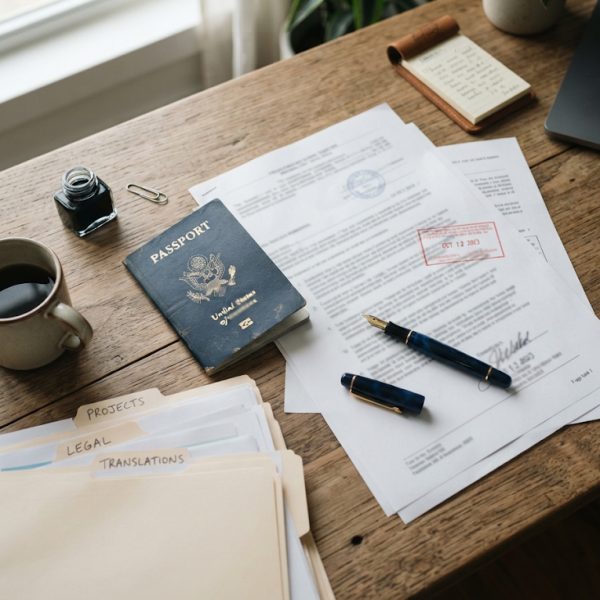

If you have ever applied for a visa, a university place or a marriage registration with documents issued abroad, you have probably met the phrase certified translation. It sounds official, and it is, but many people are not sure what it really means or who is allowed to provide it. In the United Kingdom the rules are more flexible than in some other countries, which makes it even more important to understand what is expected before you order.
What a Certified Translation Is
A certified translation is a full and accurate translation of a document, accompanied by a signed statement from the translator or the translation company. The statement confirms that the translation is a true rendering of the original. It normally includes the date, the translator's full name, contact details and, where relevant, professional credentials. The translation is usually attached to a copy of the source document so the reader can compare both.
A certified translation is not about fancy stamps. It is about a named, accountable professional confirming that the text is complete and correct.
How It Differs From Other Types
A standard translation has no certificate and is fine for personal reading or internal use. A certified translation adds the signed statement. A notarized translation goes one step further, because a notary public witnesses the signature of the translator, which confirms identity but not the quality of the translation. Sworn translations, common in many European countries, are made by a translator who has been officially appointed by a court or ministry, which is not the standard system in the UK.
When You Usually Need One
Certified translations are commonly requested for immigration and visa applications, university and school admissions, professional registration, marriage and civil partnership paperwork, court cases and some banking or mortgage procedures. Documents typically include birth, marriage and death certificates, diplomas, transcripts, police checks, bank statements and powers of attorney.
Always Check the Receiving Authority
Rules differ between organizations, so ask what exactly they require. Some accept any professional translation with a signed statement, while others require a translator who belongs to a recognized professional body. Some ask for the translation to be printed on letterhead, and some also need the original to be legalized. A short email to the office before you order will save time and money.
Understand Apostilles and Legalization
A certified translation confirms the language. It does not prove that the original document is genuine. For that, many countries require an apostille, a special certificate that confirms the origin of a public document under an international convention. If you need documents recognized abroad, check the UK government guidance on legalising documents to see how the process works for different countries.
The order of steps can matter. This guide to apostille translation explains how apostilles and translations fit together, and which should come first.
Prepare Clear Source Documents
Good translations start with good scans. Provide complete, high resolution copies of every page, including the back if it contains stamps or notes. Make sure names, dates and numbers are readable. If a document is damaged or handwritten, tell the translator in advance, because difficult handwriting needs extra time and care.
Names and Spelling Must Match
One of the most common reasons for rejection is a mismatch between names in different documents. Names written in other alphabets can be transliterated in more than one way, so check the spelling that appears in your passport and use it consistently. Give your translator all official versions of your name before work starts.
Working With Ukrainian Documents
The number of people who need Ukrainian papers translated for use in Britain has grown considerably in recent years. These often include birth and marriage certificates, school records, driving licences and employment documents, written in Ukrainian and sometimes with parts in Russian. Applicants frequently ask for certified translation from Ukrainian to English so that official offices can process their paperwork without delay.
Plan for Time and Cost
Short, standard documents such as certificates can often be completed within a day or two. Longer or more technical files take more time, and rush services cost more. Ask for a clear quote that covers the certification, delivery and any extra copies you might need, and request a digital version as well as a hard copy if your application is online.
Check the Finished Translation
When your translation arrives, read it carefully against the original. Check every name, date, number and address. Make sure the certificate statement is complete and signed, and that the contact details are correct. Report any error immediately, because a good provider will correct mistakes quickly and at no extra cost.
Keep Digital and Paper Copies
You may need the same certified translation more than once, for example for several applications. Keep a scanned copy in a safe folder and store the paper original somewhere secure. Note the translator's name and the date so you can request additional certified copies later without starting from the beginning.