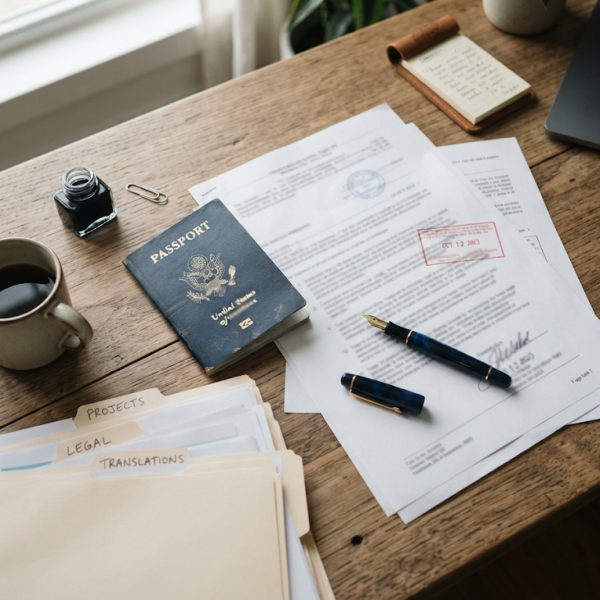

Translating a marriage certificate might seem like a simple task, but when it is needed for immigration, legal procedures, or official records, every word and format detail matters. A careless translation can delay visa applications, cause document rejections, or even raise questions about the authenticity of your paperwork. To avoid these problems, it is essential to follow a clear, structured process and work with qualified professionals who understand both language and legal requirements.
1. Understand Why an Accurate Translation Is Crucial
Selecting a qualified provider is the decision that determines whether the certificate is accepted without delays. Professional certified translation services specialize in vital records, pairing linguists familiar with civil-registry terminology with a documented certification process. Before ordering, confirm the provider's experience with marriage certificates specifically, ask what the accuracy statement covers, and verify turnaround times. Those checks help ensure the translation supports the application instead of stalling it.
Marriage certificates are legal documents used to prove family relationships, change surnames, apply for residency, or access benefits. Institutions such as embassies, consulates, courts, and immigration offices often require an exact, certified translation that mirrors the original content and layout. Even minor errors in names, dates, or official stamps can cause doubts about the document’s validity and slow down your application.
Because of this, the translation must be precise, consistent with official terminology, and compliant with the regulations of the country where it will be submitted. This is not the right time to rely on automated tools or unqualified translators; an inaccurate translation can end up costing you both time and money.
2. Choose a Specialized Translation Provider
Not every translator or agency is equipped to handle vital records. You should look for a provider experienced in civil status documents, familiar with the formatting conventions and legal wording used in marriage certificates. A specialized agency will know how to handle stamps, seals, handwritten notes, and marginal comments that appear on official forms.
If you are dealing with Turkish authorities or documents issued in or for Turkey, collaborating with a Turkish translation company that has proven legal and notarized translation experience will significantly reduce the risk of errors, rejections, and administrative delays.
3. Verify Credential and Certification Requirements
Before ordering the translation, check what type of certification is required. Different institutions ask for different formats:
- Some accept a standard certified translation with a signed statement by the translator.
- Others require a sworn translator who is officially registered with a court or public authority.
- Certain countries request notarization or even an apostille in addition to the translation.
Contact the embassy, consulate, or authority where you will submit the document and confirm the rules in advance. Then make sure your chosen provider can issue exactly the kind of certification needed, including any seals, signatures, or additional documents.
4. Provide Clear, Legible Copies and All Pages
Always send a high-resolution scan or photocopy of the entire marriage certificate, including the front and back if there are stamps or notes on both sides. Blurry or cut-off edges can cause misunderstandings about names, dates, or registration numbers.
If your document has multiple pages, annexes, or handwritten annotations by the registrar, ensure everything is included. Omitting a page or a note may result in an incomplete translation that will not be accepted by authorities, forcing you to repeat the process.
5. Ensure Consistency of Names, Dates, and Places
Names, surnames, and place names must be consistent with their spelling in passports and other official documents. Even a small difference in spelling or order can create confusion in immigration or legal procedures. When ordering the translation, provide reference documents such as passport copies to help the translator maintain uniform spelling.
Pay close attention to dates, as many countries use different date formats. The translator must represent dates clearly and consistently, avoiding ambiguity between day and month. This is especially critical if the marriage certificate will be compared with other documents like birth certificates or previous civil records.
6. Respect the Original Layout and Structure
Authorities often expect the translated certificate to mirror the original structure. That means fields, sections, and headings should appear in the same order, and any stamps or seals should be clearly indicated in the translation, usually through a textual note such as “official seal” or “illegible signature.”
While translators cannot reproduce the physical seal, they can describe it accurately. This helps officials understand that the translation corresponds completely to the original document and that nothing has been altered or omitted.
7. Ask for a Statement of Accuracy or Translator’s Affidavit
A professional translation of a marriage certificate typically includes a statement or affidavit signed by the translator or agency. This document confirms that the translation is complete and accurate to the best of their knowledge and that the translator is competent in both languages.
Marriage certificates look simple and then turn out to contain a registrar's abbreviations, a seal and two dates that must be transcribed exactly. Registries compare those details character by character. For files heading to a German authority, a certified translation german prepared to that standard is what prevents an otherwise complete application from stalling.
Some authorities require this statement to include the translator’s name, contact information, qualifications, date, and signature. In specific cases, the declaration may need to be made before a notary public. Make sure you know which format is expected and verify that the delivered translation includes the necessary statement.
8. Check Local Legal and Apostille Requirements
When using a marriage certificate abroad, you may need more than just a translation. Depending on international agreements and local rules, the original document might need an apostille or consular legalization to be recognized in another country.
Confirm the complete procedure for your situation: do you need to legalize the original certificate before translating it, or is it enough to have a certified translation? Planning these steps ahead will prevent last-minute surprises at consular or immigration appointments.
9. Review the Translation Carefully Before Submission
Even when working with experts, you should read the translation thoroughly. Verify the spelling of all names, dates, registration numbers, and addresses. Ensure that nothing seems distorted or contradictory compared to the original certificate.
If you spot any discrepancy, ask for a correction immediately. Reputable providers will make necessary changes promptly, especially when you provide clear evidence from official documents. Submitting a perfectly reviewed translation gives you confidence when presenting your file to any authority.
Turn a Complex Process into a Smooth Procedure
Translating a marriage certificate is a detailed process that combines linguistic precision with legal awareness. By choosing a specialized provider, confirming certification rules, supplying clear copies, and reviewing the final product, you transform a potentially stressful task into a manageable step in your broader plans, whether they involve immigration, citizenship, or administrative updates.
Treat your marriage certificate translation as an essential foundation for your future procedures. When handled by experienced professionals, it becomes a reliable, accepted document that supports your rights, protects your family status, and keeps your legal files in order wherever life takes you.