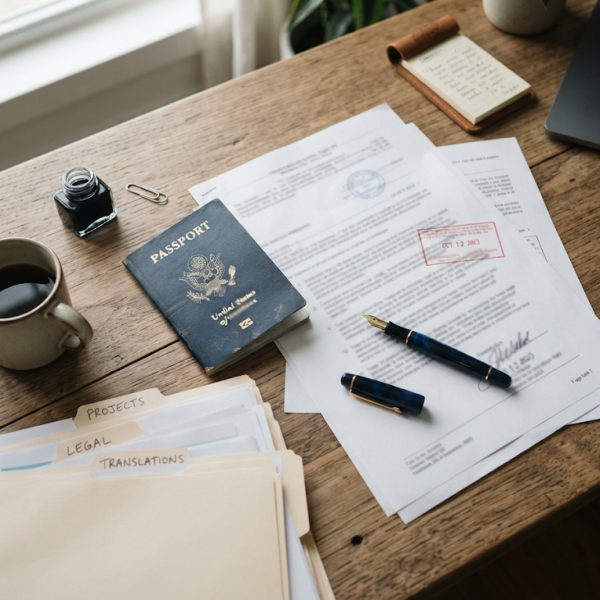

Accurate translation can determine whether your immigration application moves forward smoothly or stalls for months. Every word in your documents must match legal expectations, reflect your true background, and comply with the specific rules of the country where you are applying. Misinterpretations, missing certifications, or informal translations can all trigger delays, extra costs, or even outright refusals.
1. Correct Translation Protects Your Legal Identity
Choosing a provider that understands immigration requirements prevents the most common causes of delay. Professional certified translation services prepare documents to meet specific authority standards, attaching accuracy statements and formatting translations as officials expect. Before submitting, confirm the provider's experience with your destination country, ask about their quality checks, and verify they guarantee acceptance. Those steps help ensure the translation strengthens the application rather than jeopardizing it.
Your immigration file is built around your legal identity: your full name, date and place of birth, marital status, and more. If translations of passports, birth certificates, or national IDs contain inconsistencies, immigration officers may view your application as incomplete or suspicious. Even small discrepancies such as different spellings of your name or mismatched dates can cause requests for clarification or additional verification.
Professional translators understand how to handle transliteration of names from non-Latin scripts, ensure that dates follow the required format, and keep terminology consistent across all documents. This protects your legal identity by presenting a clear, coherent picture to immigration authorities.
2. Specialized Services Ensure Compliance with Local Rules
Immigration authorities usually impose strict rules on how foreign-language documents must be translated. Many countries demand sworn, certified, or notarized translations, and they often specify who is authorized to provide such work. When applying from or to Turkey, for example, using expert providers of Turkish translation services greatly reduces the chance that your documents will be rejected for not meeting technical requirements.
A qualified translation company can guide you through country-specific standards, including necessary stamps, declarations of accuracy, and formatting requirements. This ensures that your translations are not only linguistically accurate but also formally acceptable to the reviewing authority.
3. Accurate Translation Strengthens Your Evidence
Your eligibility often depends on evidence such as employment records, bank statements, property deeds, marriage certificates, and educational diplomas. If any of these documents are translated incorrectly, the perceived strength of your application can weaken. For instance, job titles mistranslated into lower-level roles or incomplete descriptions of responsibilities may cause officers to doubt your work experience.
Professional translators know how to reflect qualifications, positions, and financial terms in a way that matches the target country’s expectations. Clear, precise translation of your evidence helps immigration officers understand your true profile and the value of your background.
4. Consistency Across Documents Reduces Red Flags
Immigration officers often cross-check information across multiple documents. If your translated marriage certificate lists a different spelling of your spouse’s name than your family book or tax returns, this can prompt further investigation. A pattern of inconsistencies, even if minor, may raise concerns about the authenticity or reliability of your file.
Using one professional provider for all your translations helps maintain consistent terminology, spellings, and formats. This unified approach reduces the appearance of red flags and supports smoother processing of your case.
5. Time-Saving Translations Prevent Missed Deadlines
Immigration procedures often come with strict submission deadlines. Improper translations can trigger document rejections and requests for resubmission, drastically extending processing times. In some cases, you may even miss key deadlines for appeals or additional stages of your application because new translations had to be produced at the last minute.
Reliable translation providers work with clear timelines and understand the urgency of immigration cases. By getting it right the first time, they help you submit complete and compliant files within the required time frame, reducing the risk of delays that could affect your future plans.
6. Certified Translations Provide Official Credibility
Many immigration authorities only accept documents translated by certified or sworn translators. A simple bilingual acquaintance or informal translation is rarely sufficient. Without the correct certification, your translated documents may be dismissed as unofficial or unreliable, even if they are linguistically correct.
Certified translators not only convert your documents accurately but also attach an official statement or seal that confirms the translation is a faithful and complete representation of the original. This extra layer of credibility reassures immigration officers that they can rely on the information presented.
An application is judged on the documents that reach the desk, not on the ones you meant to send. That is why certified translation does more than convert language, since it makes each supporting document legally usable in the destination system. Several distinct protections follow from that, and most applicants discover them the hard way.
7. Cultural Nuances Avoid Misunderstandings
Immigration documents sometimes contain culturally specific terms, local legal concepts, or references that do not have direct equivalents in another language. Literal translations of such elements can create confusion or distort the intended meaning. For example, job roles, academic degrees, or family relationships may be structured differently in each country.
Experienced translators are trained to interpret these nuances and express them in ways that make sense to immigration officers. They can provide functional equivalents, short explanations within the translation when allowed, or formatting choices that better represent complex information from your home system.
8. Clear Translations Support Interviews and Follow-Up
The information contained in your translated documents is often used as the basis for immigration interviews or follow-up questions. If your documents present your history clearly, your answers in interviews will more easily align with what officers see in writing. Conversely, if translations are incomplete or misleading, your explanations might look inconsistent, even when you are telling the truth.
Good translation ensures that the details of your employment, education, and family background are communicated accurately. This helps you to prepare for interviews, anticipate questions, and maintain coherence across all stages of your application.
9. Professional Handling of Sensitive Information Increases Security
Immigration files contain highly sensitive information, including personal identifiers, financial data, and private family details. Entrusting translation to unqualified individuals or unregulated online tools may expose you to privacy risks. Data leaks or mishandling of personal documents can have serious consequences beyond your immigration case.
Reputable translation agencies apply confidentiality policies, secure document handling procedures, and limited access systems. This protects your privacy while ensuring that all sensitive details are managed responsibly throughout the translation process.
10. Strategic Translation Supports Long-Term Plans
Immigration is often just the first step toward long-term goals such as work, study, investment, or family reunification. Well-translated documents can be reused for future procedures, including residence permit renewals, citizenship applications, or academic recognition of your degrees.
Investing in quality translation for your initial application can therefore save time and effort later. Accurate, professionally prepared documents provide a strong foundation for every subsequent legal and administrative step in your new country.
Conclusion
Translation is not a simple formality in immigration procedures; it is a core component of how authorities understand your identity, background, and eligibility. From preserving your legal identity to ensuring official compliance and protecting your privacy, professional translation shapes how your application is evaluated. By prioritizing high-quality, certified services that understand both language and immigration rules, you substantially improve your chances of a smooth, successful process.